Denmark backs Ukraine with a new defence package, while its companies open offices and JVs with Ukrainian manufacturers
Denmark has announced a new defence package for Ukraine, Ukraine and Finland have signed defence agreements worth €300m, whilst UFORCE has raised a record $700m
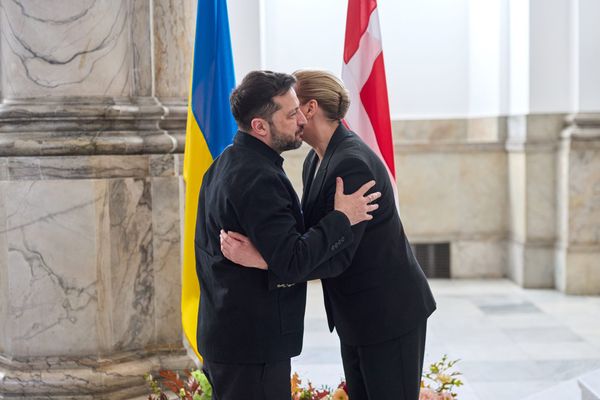
Meeting between Volodymyr Zelenskyy and Mette Frederiksen (Photo: Volodymyr Zelenskyy/X)
Welcome to the DIM Newsletter, curated by Defense Innovation Highway and Defender Media. It’s a bi-weekly digest of the most significant developments in Ukrainian defence tech, with a focus on what matters to the Nordics.
Our lead story: During Volodymyr Zelenskyy's visit to Denmark, the country announced a new defence package worth €645m for Ukraine. The money will go towards strike drones, including Ukrainian-made ones, ammunition for F-16s, Ukrainian interceptor drones and the PURL initiative. At the same time, Danish and Ukrainian companies are launching joint ventures and opening their own offices in each other's countries.
Ukraine and Finland have signed seven cooperation documents, three of which concern the defence industry – the total value of these agreements is around €300m. Norway has transferred 500,000 drones to Ukraine, Denmark and Ukraine have signed a declaration on cooperation in artificial intelligence, and Finland is allocating €37.3m to support Ukraine.
The business sector also brought several important stories. Valkyrie Dynamics has raised €1m to produce a miniature radar for interceptor drones, whilst Estonian-Ukrainian Teletactica has a new CEO. UForce has closed the largest investment round in the history of Ukrainian startups – $700m in a Series A round. In addition, a new report by Dealroom and Danske Bank values the 170-plus Nordic defence and dual-use startups at over $26 billion combined, up 11.4 times since 2020.
Denmark allocates €645m for Ukrainian defence and discusses further cooperation with Ukraine
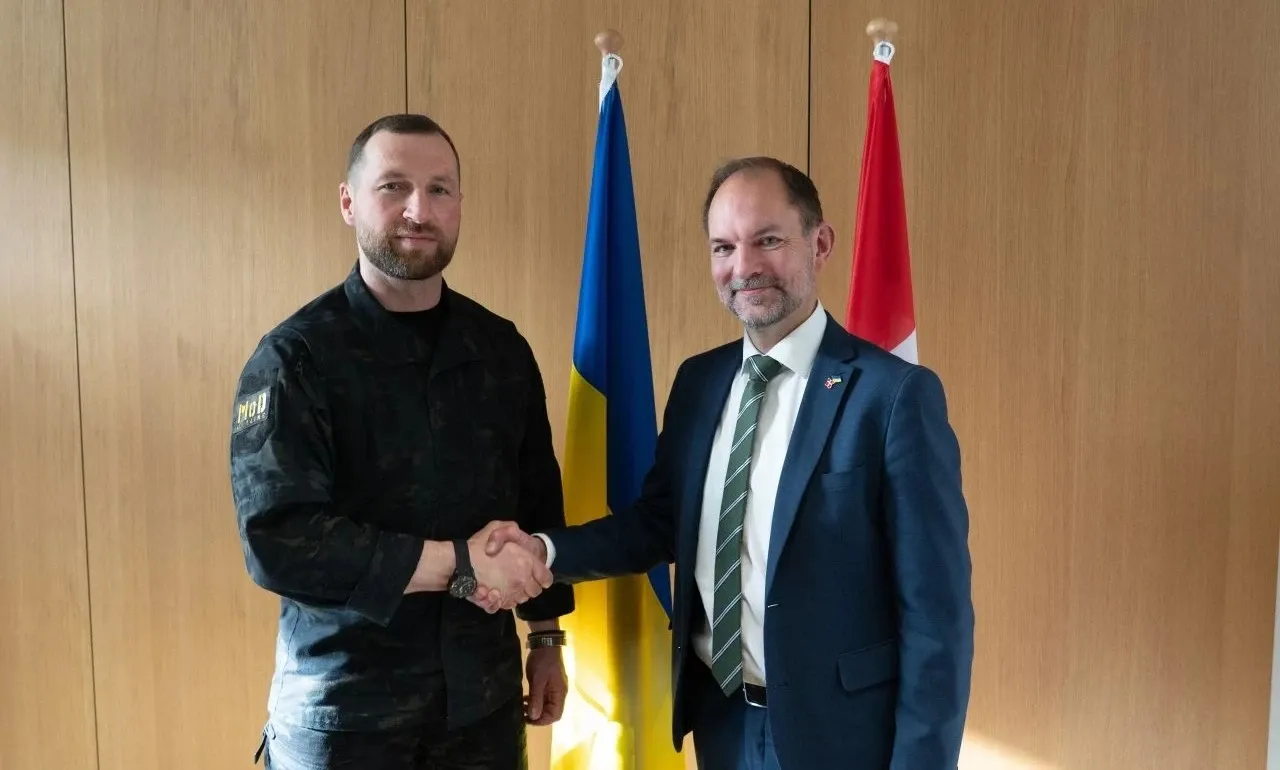
Last week brought important news from Denmark. Ukrainian President Volodymyr Zelenskyy visited the country, meeting its leadership, parliament and representatives of the defence sector.
During the visit, Denmark announced a new defence package for Ukraine. Prime Minister Mette Frederiksen announced €645m in funding, which will go towards strike drones, including Ukrainian-made ones, ammunition for F-16s, Ukrainian interceptor drones and the PURL initiative.
Recently, F-16s have become one of the main means of shooting down Russian jet-powered drones. According to Zelenskyy, Ukraine needs 800,000 shells for six months to counter this threat. 'During the meeting in Denmark, we agreed that they would resolve this issue', the president commented.
During the visit, the leaders also discussed the anti-ballistic FREYJA project, which 11 countries have joined so far. Everything is now ready to open the project's office in Copenhagen, and Denmark is also planning to provide radar systems for FREYJA's operation.
In Copenhagen, the Danish and Ukrainian leadership also met 70 representatives of Danish business, from green energy specialists to naval drone manufacturers. The key topic of the meeting was the opening of joint ventures and the development of new areas of cooperation.
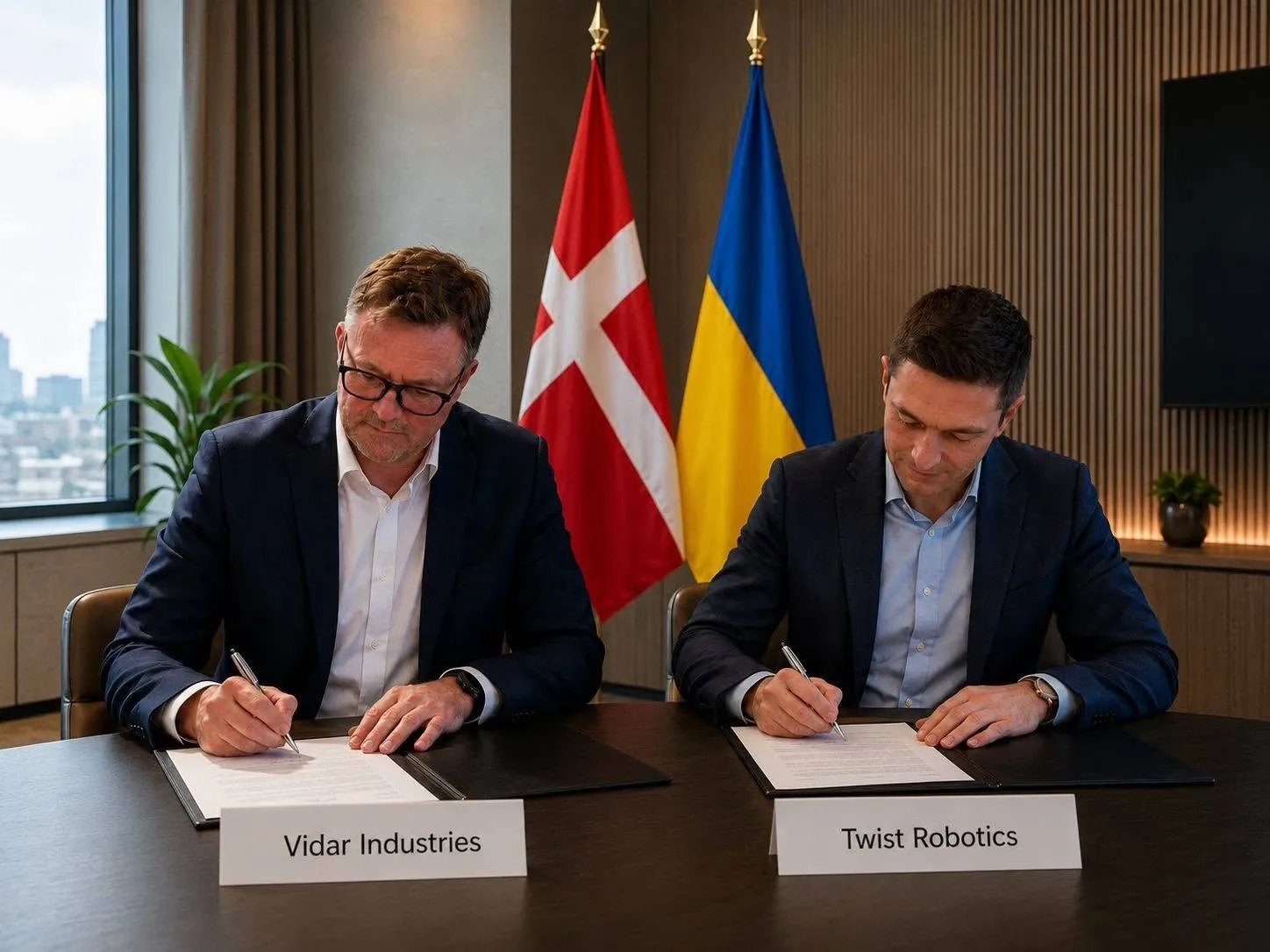
Signing of the joint venture agreement between Twist Robotics and Vidar Industries (Photo: Twist Robotics)
Vidar Industries has also announced a joint venture with Ukraine's Twist Robotics. The Danish company says the cooperation is developing well, but is not yet disclosing the current state of affairs or the next steps.
'Building partnerships with Ukrainian defence technology companies requires more than commercial agreements. It takes trust, mutual respect, physical presence and, above all, a shared purpose', explains CCO Mark N. Ranum.
He adds that the companies have faced challenges related to work culture, security, regulatory compliance, decision-making and differing expectations. However, once trust is built, finding solutions becomes much easier. What is more, Vidar Industries is already working on partnerships that have not yet been announced publicly.
Meanwhile, Denmark's Robotto and BlueShadow have so far limited themselves to their own offices in Ukraine. BlueShadow is developing a platform to protect Europe from hybrid attacks. It combines sensor data, predicts new threats and dispatches drones to investigate and deter intruders.
CEO Charles Maher explains that most of the challenges of entering the Ukrainian market are practical. For example, ice makes it difficult to test the technology at freshwater test sites, so everything has to be tested in the laboratory.
'On regulation and intellectual property, our answer has been structure. Our IP sits in a Danish holding company, with operating companies in both Denmark and Ukraine', says Maher. Among the advantages, he highlights that people in Ukraine are remarkably open to collaboration, local supply chains are more resilient and easier to scale, and the same approach carries over to other markets.
Denys Gurak, co-founder and COO/CIO of MITS Capital, considers Denmark one of the most important countries for the coming decades. There are several reasons: it controls the exit from the Baltic Sea and has strong competencies in manufacturing components.
In the ideal scenario, Denmark acts as a technology, R&D and supply-chain partner, whilst Ukraine can produce products using its technologies. As confirmation of these words, MITS Industries (a MITS Capital project) has opened an R&D office in Denmark. Gurak explains that this gives the company access to engineers who are simply in short supply in Ukraine.
Photo credits: Agata A. Skrzypczyk & Marco Siciliano
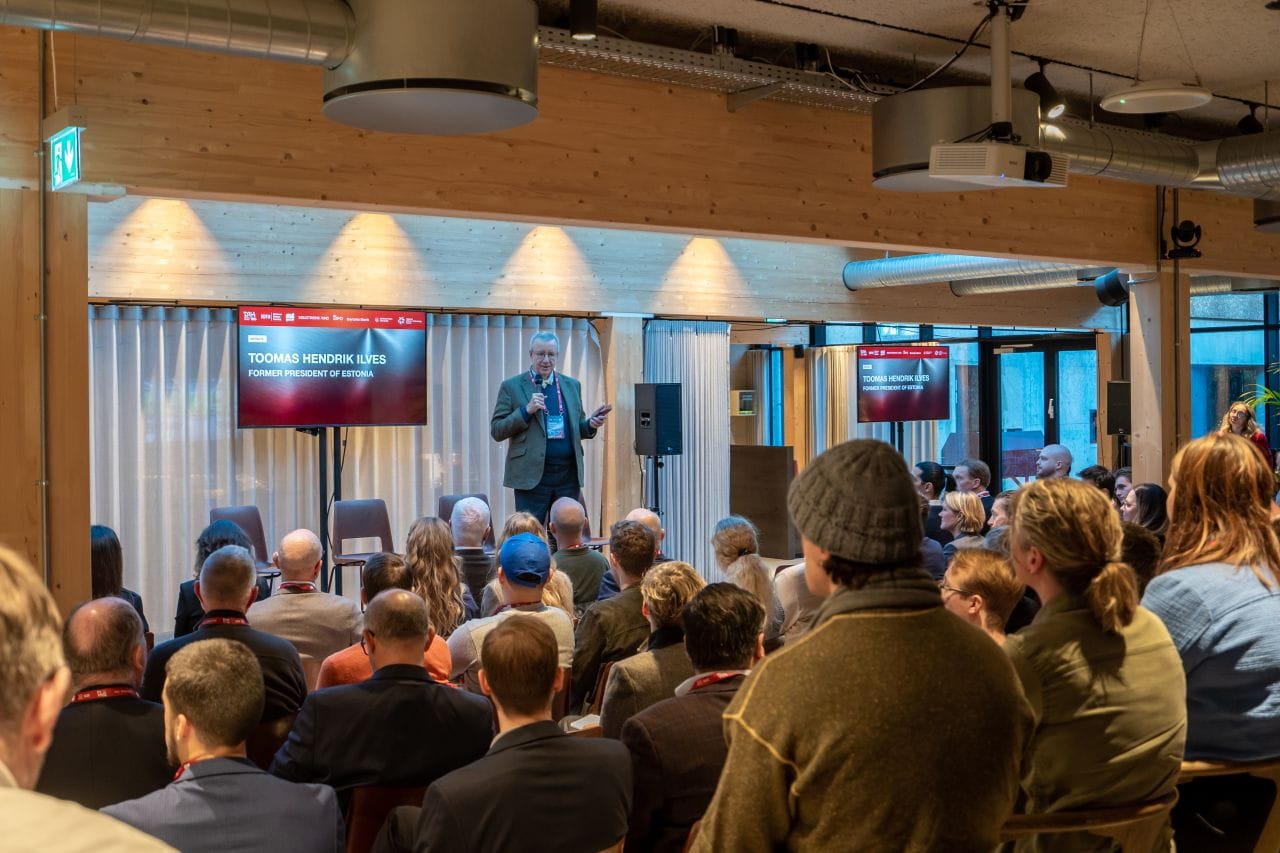
Between 5 and 12 November, the first Danish Defense Tech Week (DDTW), organised by the European Defense Tech Hub and Defense Innovation Highway, brought together hundreds of attendees across Copenhagen, Aalborg, Aarhus and Odense. We connected academia, industry, investors, government institutions and the military.
As Europe’s first defence tech week spanning four technology hubs, the programme explored key areas including electronic warfare, cybersecurity, robotics and drones, AI, and autonomy. The week drew more than 430 participants and featured 23 pitches and 18 speakers across all venues.
A heartfelt thank you to our wonderful meetup hosts for welcoming DDTW to their cities, and to our partners and supporters!
Government relations
Defence agreements worth €300m between Ukraine and Finland
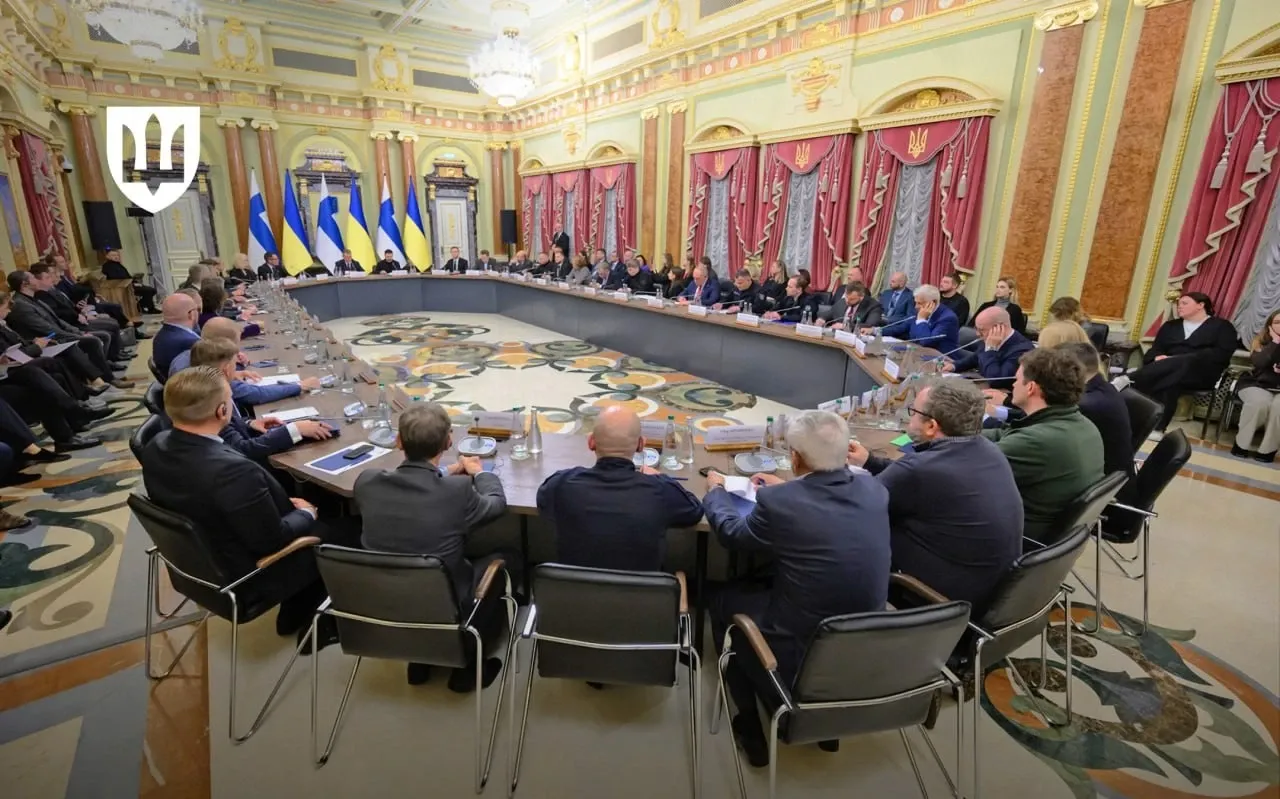
Last week, delegations from Ukraine and Finland signed seven cooperation documents, three of which concern the defence industry. The total value of these agreements is approximately €300m. Of this, €200m relates to the Drone Deal initiative and €100m to the Build with Ukraine programme.
President Zelenskyy also stated that Ukraine is ready to increase joint drone production, as the country's own capabilities are several times higher than last year's figures.
Meeting of the Finnish and Ukrainian delegations (Photo: Ministry of Defence of Ukraine)
Some Ukrainian and Finnish companies are already developing joint ventures, but most do not comment on their progress. They are doing so under the Drone Deal agreement, which the two countries signed in September 2026.
In addition, before a meeting in the Ramstein format, Ukraine and Finland signed a memorandum on joint defence production. It provides the basis for producing Ukrainian defence systems in Finland, transferring technology and developing joint defence solutions. At the same time, the two countries plan to conduct joint research into new defence systems.
Norway has bought 500,000 drones for Ukraine in total
Gro Jære, Director of the Norwegian Defence Materiel Agency, has revealed the total number of drones that Norway has bought and transferred to Ukraine. Since the start of military support, the country has sent 500,000 drones.
The type of drones is not being disclosed, but it is known that the agency buys drones mainly from Ukrainian manufacturers. They are also purchased from suppliers in Norway and other countries. For procurement, the agency consults the Ukrainian authorities on their needs.
Denmark to train AI models on footage from Ukrainian battlefield
Ukraine and Denmark have signed a declaration on cooperation in artificial intelligence. Under its terms, the Danish Armed Forces will gain access to Ukraine’s AI platform Avengers Labs, allowing them to train their own models on data from the Ukrainian frontline. The dataset contains more than 5m frames from the battlefield.
The cooperation also includes the exchange of experience and the development of new AI models to support Ukrainian and Danish defence. The Danish AI Centre is to be responsible for implementing the agreement, and local manufacturers and researchers are to be invited to take part.
Defence ministers of Ukraine and Denmark: Yevhenii Khmara and Jeppe Bruus (Photo: LinkedIn)
Finland allocates €37.3m to support Ukraine
Finland is allocating €37.3m to Ukraine under the Strategic Investment and Support for Ukraine programme. This contribution supplements a €240m guarantee agreement, which will fund the strengthening of Ukraine's critical infrastructure and the involvement of Finnish business in reconstruction.
Among other things, the SISU programme supports Ukrainian businesses in the defence, security and dual-use technology sectors. It promotes their development and international scaling, and also helps them prepare for investment.
Business relations
Nordic defence and dual-use startups are now worth over $26 billion combined, up 11.4 times since 2020
Nordic defence and dual-use startups have raised $1.5 billion in venture funding so far in 2026, according to a report by Dealroom and Danske Bank. Dealroom projects about $1.9 billion for the full year.
The sector now counts more than 170 startups worth over $26 billion combined. Dealroom projects funding for defence and defence-application companies to grow by 403% in 2026 vs. 2025, second only to space at 448%. The number of unique investors in Nordic defence has also reached 59 in 2026, up from 11 in 2021.
The report’s authors see the Nordic strength in components. Around 45 startups make radar, sensors, inertial navigation systems, materials and batteries. The gap is in motors, flight controllers and battery cells, where the Nordics have only one small supplier.
Valkyrie Dynamics raised €1m to produce a miniature radar
Ukrainian-Lithuanian company Valkyrie Dynamics has raised €1m from French venture studio Hexa and business angels. The investment will go towards producing the first version of a radar for interceptor drones, developing the next version of the product and expanding the team.
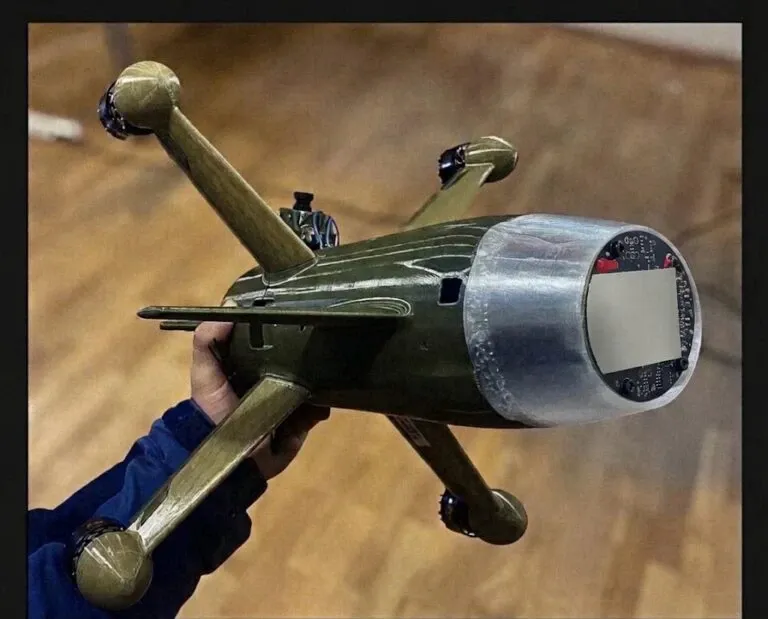
Valkyrie Dynamics' main product is the Heimdall onboard radar seeker, which is installed on an interceptor drone. It helps the operator find targets at a distance of 100-500 metres without relying on the camera image. This month, the startup plans to release the first small batch and later launch serial production.
The product's expected price is less than €300. The next version of Heimdall will be able to spot enemy drones at a distance of up to 1 km. 'We are also working on a higher data refresh rate and a wider field of view. All of this will be possible thanks to the radar's new architecture', CEO Marcin Kovalevskij commented.
Heimdall radar seeker on an interceptor drone (Photo: Valkyrie Dynamics)
Estonian-Ukrainian Teletactica has a new CEO
Yevhen Zhebko has stepped down as CEO of Teletactica, which develops EW-resistant communication systems for UAVs. He will remain an adviser to the company, but it will now be headed by second co-founder Anton Hetman.
In a comment, Hetman stated that he will focus on scaling the business; developing the next generation of links, mesh and relay, and GPS-free navigation; and entering new markets and international partnerships.
Meanwhile, Zhebko will devote most of his time to his other project, Korven Systems, which he has been developing for some time. The startup is developing, together with partners, an ecosystem of software and hardware solutions for drone interception.
UFORCE has closed the largest investment round in the history of Ukrainian startups
Ukrainian-British defence company UFORCE has raised $700m in a Series A round – a record for Ukrainian startups. The company's valuation stands at $6bn. The round was backed by US-based Valor Equity Partners, the UK National Wealth Fund and the US-Ukraine Reconstruction Investment Fund. Other companies and investors from previous rounds also joined them.
Thanks to this capital, the company wants to expand and distribute production capacity across the US, Europe, the Asia-Pacific region and the Middle East. In addition, it will help expand research and development, as well as increase production of Magura naval drones, Nemesis UAVs, Liut UGVs and Predator turrets.